AI is the loudest word in promo right now. It's in vendor demos, webinars, and client conversations. You can't avoid it, even if you want to.
If you're a sales rep or AE, you probably feel two things at once. You want anything that gets you out of admin work. You also want to protect the human touch that keeps clients loyal.
In another career I worked in video production, crafting stories. That creative background still shows up in how I work today. I see an automation workflow as a story that is being told.
There's a trigger. Then actions. Then decisions. Then an outcome.
If the story is fuzzy, AI and automation won't fix it. They'll just make the fuzz happen faster.

I use AI. I also have AI fatigue.
I like AI. I use it. And I'm a little tired of hearing about it.
The tech is useful. The hype is exhausting. The "AI influencer bros" love promising fully autonomous super agents that run your business end-to-end.
Promo is a rough place for that fantasy. Orders ship. Money moves. Mistakes cost relationships.
The near-term future is practical. Think co-pilot. Less busywork. More time with clients.The real AI opportunity is getting your week back.
We need to address friction. That is where AI shines.
My definition of friction is simple. It's any task your team is doing that isn't closely tied to generating a dollar. Since sales drive promo, friction is your biggest enemy.
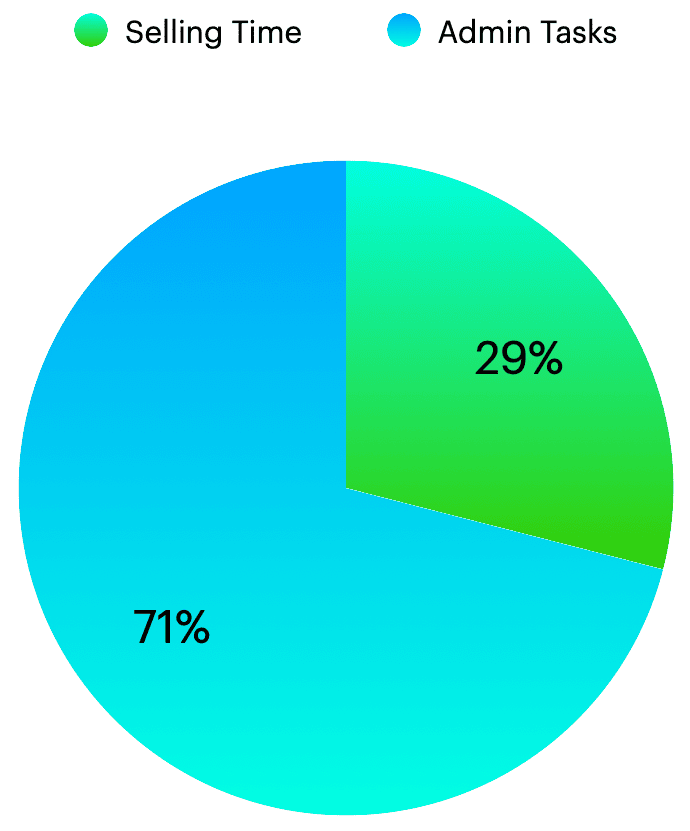
Salesforce found reps spend only 29% of their week connecting with customers. McKinsey says non-selling work eats about two-thirds of a B2B sales team's time.
How does that feel in real life? It feels like copying and pasting. It feels like chasing approvals. It feels like doing order admin at 9:30 PM.
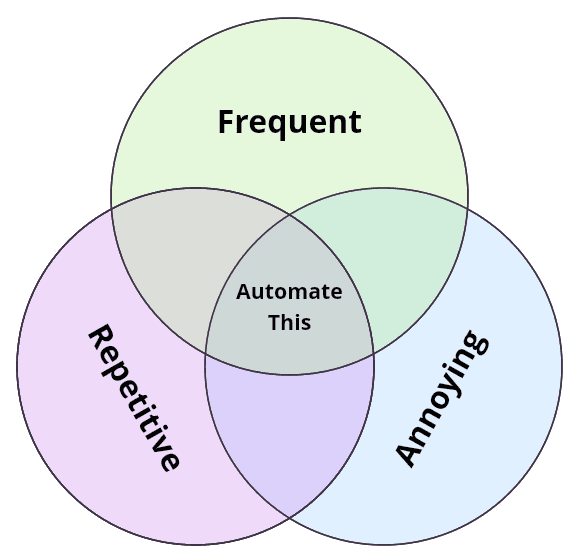
Here's a quick test I use. If a task is frequent, annoying, and repetitive, it deserves a hard look. Those are the wins that give you time back fast.
This is also why AI is already everywhere. Salesforce says 73% of sales teams are using AI or experimenting with it. AI is showing up in promo no matter what.
The real issue is whether it gives you time back, or gives you new headaches.What AI will actually do for promo reps next
AI isn't going to walk into a client's office and read the room. It won't catch tone. It won't build trust for you. It won't own the accountability when something goes sideways.
But it can clear the runway. It can remove the repetitive junk that keeps you stuck behind a screen. That's how AI elevates the human touch in promo.
Here are the areas where I think you'll feel it first.
Writing and follow-up gets faster (and more consistent)
Email is a perfect target. It's repetitive. It's pattern-based. It's where a lot of reps lose hours every week.
HubSpot found 74% of marketers use at least one AI tool. That matters because promo reps do marketing work all day, even if your title doesn't say "marketing."
Use AI to draft the first version of your follow-up, recap, or status update. Then edit it like a pro. Add the client-specific detail. Add the tone that fits the relationship.
The best reps will use AI to get the typing out of the way. The thinking still stays with you.
Meeting notes and recap emails stop falling through the cracks
You know the call. It goes well. You hang up. Then the day hits you like a truck.
The recap email gets pushed to tomorrow, then next week.
AI is great at turning messy notes into clean next steps. It's also great at summarizing a long email thread into something you can act on. You still review it, but you stop burning brain power on formatting and rewriting.
The goal is staying responsive when things are moving fast. Clients notice that.
If you're looking for a good app to handle meeting notes, I use Krisp – Granola is another popular option.
Leverage feedback to strengthen client ties
One of the more interesting workflows I've been involved with recently was a customer feedback system. It reached out post-order, collected feedback, and then used AI to surface insights for leadership.
The automation part worked. The bigger challenge was what happened next. The business had to actually use the insights.
A lot of teams collect feedback, then it lands in a bucket and dies.
AI can help you turn feedback into action. It can flag accounts that need attention. It can summarize what went wrong. It can help you catch a bad experience while there's still time to salvage the relationship.
When reps worry AI will ruin the human touch, this is where I point them. The tool gives you the signal. You bring the human response.
Clean your supplier data so it works for you.
Supplier product data is a massive drain on your time. CSV files are a mess, and reformatting columns for upload to your store takes hours of manual work.
This is where "vibe coding" can actually be useful.
I recently asked a supplier for product data so I could upload it to Liftoff, a company store platform. They sent the same CSV they send to Sage to update their products there. I figured that format must be common across other suppliers on Sage.
I used Zite to quickly build a little utility that reformatted the file into something I could bulk upload. About 30 minutes later, it worked. Neat!
That's a real preview of what "next" looks like. Small utilities. Fast wins. Less spreadsheet wrangling.
The hidden risk: AI on top of bad data and broken processes
Now for the part that keeps me cautious.
Salesforce found that only 17% of reps trust the accuracy of their CRM data. Yikes.
AI can write a beautiful email. But if the underlying data is wrong, you'll still make bad decisions faster.
The other danger is automating a process that's already broken. If you automate a flawed process, you're just going to scale a mess.
I'm working on a workflow now that lives in half a dozen spreadsheets. Too many people touch it. Too many steps exist in tribal knowledge. When I was showed the process, it started in the middle.
So we traced the data back to the real origin. We mapped the whole story. Now we can tighten it before we automate it.
Keep humans in the loop where the risk is real
AI makes guesses. Sometimes those guesses are great. Sometimes they're wrong.
If the workflow touches accounting, billing, or anything high-risk, keep a human in the loop when confidence is low. Keep the workflow moving, but add a review step at the right moment.
This also drives adoption. People trust systems that feel safe. When the system feels scary, people work around it.
Design for silent failure
Silent failure of an automation can wreak havoc.
A workflow stops running and nobody notices until a client asks why something didn't happen. To reduce that risk, design summary notifications at the end of workflows. I want a message that says what the automation did.
Zapier's error handling has gotten better, which helps. The mindset is still the bigger win. Build systems that talk back.
AI needs an open stack. Walled systems kill momentum.
A terrible tech stack is walled. Tools don't connect. Data gets trapped. Humans become the integration layer.
If you want AI and automation to matter, you need doors between your tools. That's why, when I evaluate software, I look for a Zapier integration first. If that's not there, I look for accessible APIs.
Quick translation: an API is just a door that lets software talk to software. You can also think of it as a funny looking email that one app sends to another.
Zapier connects to over 9,000 apps now, including many promo industry favorites. Promo stacks are never one tool. You've got a CRM and an order system. You've got a store platform and an accounting tool. Then you've got whatever your next client demands. 😵💫
But before you go looking for new SaaS, I encourage you to crack the manual on what you already have. A lot of teams blame the software when the real issue is they aren't using the features, integrations, and APIs they already have.
The practical integration path I use
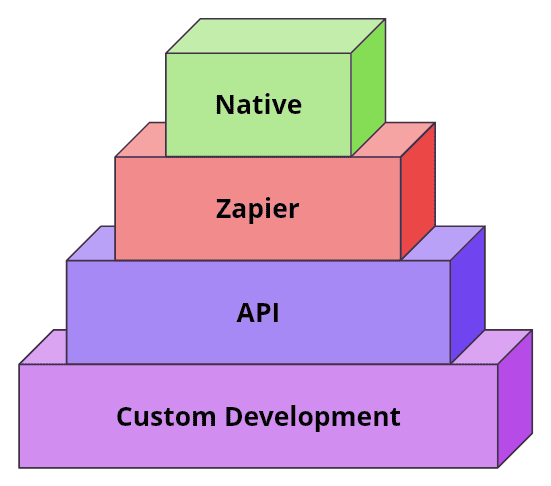
When I'm choosing how to connect tools, I follow a simple hierarchy. I try native integrations first. If they're missing or weak, I reach for Zapier as the Swiss army knife. For e-commerce vendor routing and reporting, Order Desk often shines.
Full architecture resets are rare, and they come last.
Most distributors don't have CTOs. They don't have large budgets for custom builds. Honestly, most distributors have no business building software, especially when off-the-shelf solutions exist and come with support.
Real examples inside promo platforms
commonsku is building out its APIs, and its Zapier triggers are still growing. In the meantime, you can work around gaps. I've triggered workflows downstream through Mailchimp when commonsku didn't have the trigger I needed, because the native Mailchimp integration creates the contact there automatically.
Liftoff Commerce is another platform I work with a lot. Liftoff supports store gift cards, but it doesn't give storefront users a self-service way to create and distribute them. Because Liftoff has solid APIs and a Zapier integration, we can build a workflow where an HR manager purchases a gift card on the storefront, submits the order, and the gift card gets created and emailed out.
Those are operational friction removers. And they set the stage for AI to be useful on top.
Governance matters more than ever
One of my biggest pet peeves is learning a team shares one Zapier login across multiple people. It's risky behavior. It's also a sign that nobody owns the workflows.
Long-term, the best pattern is building internal ownership. Start with one person who becomes the subject matter expert. Then move to a team setup with real permissions and oversight.
Zapier gives normal people "citizen developer" power. My favorite outcome is when someone on your team becomes the operational workflow wizard.
The next five years belong to the operators
I say this a lot because I believe it. The future belongs to the operators.
AI will widen the gap between organizations that can scale and organizations held together by heroics. If your business depends on "Sally handles it," you have a business continuity problem. You also have a margin problem.
McKinsey found leading sales orgs have offloaded up to 50% of non-selling tasks. McKinsey also found that this kind of push can free about 20% more selling capacity.
That's the prize. Time back, without losing quality.
How to start without turning your day into a science project
If you're wondering what to do next, I'll keep it simple.
Start with one process that's frequent, annoying, and repetitive. Make sure it has clear ownership. Tighten it until the story makes sense. Then automate it in a bite-sized chunk.
Once the automation is stable, layer AI where it adds value. Drafting emails. Summarizing calls. Classifying feedback. Spotting trends.
Then use the time you get back on high-value relationship work. McKinsey found that prioritizing high-value accounts can raise revenue per rep by 3 - 15%.
That's what's next for AI in promo. More practical wins. More time back. More leverage for the people who know how to sell.
Frequently Asked Questions
Will AI eventually negotiate deals with my clients and cost me my commission?
AI isn't going to steal your deals because it can't read a room or build trust like you. Right now, non-selling activities consume roughly two-thirds of a B2B sales team's time. AI's real job is removing admin friction so you can focus entirely on closing deals and protecting your commissions.
Will my clients be able to tell if I use AI to manage their accounts?
Not if you use it as a co-pilot rather than an autopilot. Over 70% of marketers report AI reduces manual tasks. Let the tech handle the invisible logic behind the scenes - like sorting spreadsheets or formatting quotes. You always apply the final, human polish before anything reaches your buyer.
Can AI help me build custom promo product presentations faster?
If automation suddenly frees up 15 hours of my week, how do I pivot to make more money?
Do not fill that newly found time with more busywork. Pivot entirely to relationship building. Top-performing teams prioritize high-value accounts, a strategy that raises revenue per rep by 3 to 15%. Spend those hours taking top-tier clients to lunch, pitching proactive ideas, and closing bigger deals.